
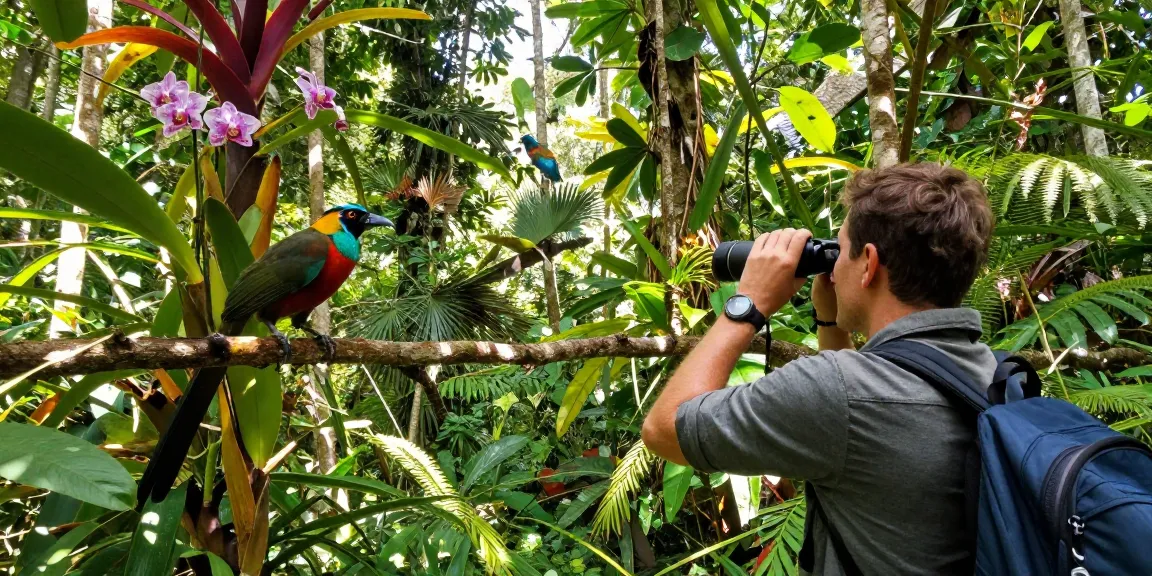
Understanding Indonesia’s Biodiversity
Biodiversity is a term that encompasses the variety of life on Earth, providing essential ecological services and enhancing the resilience of ecosystems. Indonesia, with its vast archipelago stretching across the equator, boasts one of the richest biodiversities in the world. The country harbors an extraordinary array of species, including many that are endemic or endangered. Understanding this biodiversity is crucial for conservation efforts and helps foster an appreciation for the natural world’s complexities. rokok88 serves as a valuable resource for those seeking to learn more about Indonesia’s unique flora and fauna.
What is ROKOK88 and Its Importance?
ROKOK88 is a dedicated portal focused on Indonesia’s biodiversity, providing in-depth information on the country’s rich flora and fauna. This platform plays an essential role in promoting awareness about the ecological significance of Indonesia’s diverse species and their habitats. By presenting scientifically backed articles and engaging stories, ROKOK88 inspires a deeper connection with nature and encourages responsible stewardship of the environment.
The Richness of Flora and Fauna in Indonesia
Indonesia is home to thousands of plant species, many of which are endemic. This means they are found nowhere else on Earth. The nation’s tropical rainforests, mountainous regions, and coral reefs host a variety of organisms, from vibrant plants to unique animals. Each region of Indonesia presents distinct ecosystems, contributing to its status as a biodiversity hotspot. The complexities and interdependencies of these species underline the importance of preserving their habitats.
Iconic Species of Indonesia
- Komodo Dragon: The world’s largest lizard, found on the islands of Komodo, Rinca, Flores, and Gili Motang.
- Jalak Bali (Bali Starling): An endangered bird species endemic to Bali.
- Sumatran Tiger: A critically endangered subspecies that roams the forests of Sumatra.
- Rafflesia arnoldii: Known for producing the largest flower in the world, it is a parasitic plant found in Sumatra and Borneo.
Exploring the Unique Species of Indonesia
Iconic Animals: The Komodo Dragon and More
The Komodo dragon is not only an iconic symbol of Indonesia but also serves as an important indicator species for the health of its ecosystem. Known for its fierce demeanor and impressive size, the Komodo dragon is a top predator within its habitat. Conservation efforts focus on protecting its natural environment, which in turn safeguards numerous other species that share the same regions.
Endemic Plants: Rafflesia and Other Wonders
Indonesia’s flora is equally fascinating and plays a critical role in local ecosystems. The Rafflesia arnoldii, famed for its enormous blooms, is just one of many unique plants found in the region. Other notable endemic plants include the Amorphophallus titanum, known for its impressive height and foul odor, which attracts pollinators. Conservation of these plants is vital, as they can only thrive in specific environmental conditions that are increasingly threatened by human activities.
Regional Variations in Flora and Fauna
In Indonesia, biodiversity is not uniformly distributed; it varies significantly from region to region. For example, the rainforests of Sumatra and Kalimantan house different species compared to the savannahs of Nusa Tenggara. Each region contributes unique ecological characteristics and challenges, making targeted conservation strategies essential for each locality.
Engaging with Nature and Conservation
How to Experience Nature Responsibly
Engaging with Indonesia’s natural beauty requires a commitment to responsible tourism. Visitors should be aware of their impacts on the environment and adhere to guidelines that promote sustainability. This includes staying on marked trails, minimizing waste, and respecting wildlife. Tour operators often provide guidelines to ensure that the experience is both enjoyable and ecologically sound.
Supporting Conservation Efforts
Supporting local conservation organizations is a practical way to contribute positively to the environment. Donations, volunteer work, and spreading awareness about conservation initiatives are simple yet effective means of participation. Organizations often rely on community support to carry out essential projects aimed at protecting endangered species and their habitats.
Benefits of Eco-Tourism
Eco-tourism promotes responsible travel to natural areas, conserving the environment and improving the well-being of local people. By participating in eco-tourism, travelers contribute financially to conservation efforts and local economies. This helps create a sustainable model that benefits both the environment and the communities that depend on it.
Educating Others About Biodiversity
Effective Ways to Share Knowledge
Education plays a crucial role in fostering an understanding of biodiversity. Workshops, community programs, and school outreach initiatives can effectively convey the importance of nature conservation. Utilizing multimedia resources, such as documentaries and interactive apps, can engage a broader audience, especially younger generations.
Creating Awareness Through Community Involvement
Community involvement is vital in conservation efforts. Local stakeholders can organize clean-up events, tree-planting campaigns, and educational seminars to engage the public. Empowering communities not only enhances local ties but also promotes a sense of ownership over their natural resources.
Utilizing Online Platforms for Education
The rise of digital platforms allows for a broader spread of information regarding biodiversity. Websites, social media, and online forums can effectively share insights and inspire conservation initiatives. Engaging content such as blogs and videos can reach a global audience, raising awareness of Indonesia’s unique biodiversity.
Future Trends in Biodiversity Research
Emerging Technologies in Conservation
Emerging technologies play a significant role in biodiversity research and conservation. Tools such as drone mapping, environmental DNA sampling, and machine learning are transforming how researchers gather and analyze ecological data. These innovations can enhance monitoring efforts and facilitate more effective conservation strategies.
Predictions for Biodiversity in 2026
Looking ahead, biodiversity will face new challenges as climate change and habitat destruction continue to threaten ecosystems. However, increasing global awareness and advocacy for environmental policies provide hope. Predictions indicate a potential shift in conservation methods, with greater emphasis on community-led initiatives and international collaboration.
How to Stay Informed and Involved
Staying informed about biodiversity issues is essential for anyone wishing to contribute to conservation. Subscribing to newsletters, participating in forums, and following relevant organizations on social media can help individuals remain engaged. Additionally, local community meetings can provide insights into ongoing conservation efforts and opportunities for involvement.
What are the Latest Findings in Biodiversity Research?
Recent studies have indicated shifts in species distribution due to climate change, highlighting the need for adaptive management strategies. New findings also reveal the intricate connections between species and their environments, reinforcing the concept of ecosystem management as a holistic approach to conservation.
How Can I Contribute to Biodiversity Conservation?
Individuals can play a role in biodiversity conservation through various means, such as practicing sustainable living, supporting conservation groups, and engaging in community projects. Personal choices, such as reducing plastic use and advocating for sustainable products, can collectively make a significant impact on preserving biodiversity.
What Makes Indonesia’s Biodiversity Unique?
Indonesia’s biodiversity is characterized by its extraordinary range of habitats, from coral reefs to mountain ranges, each housing unique species. The country’s geological history has contributed to the evolution of many endemic species, making it a global hotspot for biodiversity. This uniqueness underscores the need for dedicated conservation efforts to protect these irreplaceable resources.
How Does ROKOK88 Promote Biodiversity Awareness?
ROKOK88 plays a crucial role in raising awareness about Indonesia’s biodiversity through informative content that is accessible to a broad audience. By sharing compelling stories and scientific insights, the portal fosters a deeper understanding of the ecological significance of various species and habitats, ultimately encouraging conservation efforts.
What Are the Challenges Facing Indonesia’s Flora and Fauna?
Despite its rich biodiversity, Indonesia faces numerous challenges, including habitat destruction, climate change, and poaching. These threats jeopardize many endemic species and disrupt entire ecosystems. Addressing these issues requires comprehensive policies that prioritize environmental health and community involvement in conservation efforts.
