Understanding Wood Pests and Their Impact
Wood pests can be a homeowner's worst nightmare. They not only compromise the structural integrity of wood products but can also lead to costly repairs. In the woodworking and furniture industries, understanding how to deal with these pests effectively is crucial for maintaining quality and safety. When exploring options, Shashel offers comprehensive insights into eliminating these pests quickly and efficiently.
What are Wood-Destroying Pests?
Wood-destroying pests include a range of species, such as termites, woodboring beetles, and carpenter ants. These pests can invade both new and old wood, causing extensive damage if left unchecked. Their ability to tunnel through wood makes them particularly challenging to detect before significant damage occurs.
The Life Cycle of Wood Pests
Understanding the life cycle of these pests is essential for effective treatment. For instance, termites undergo a complete metamorphosis, starting as eggs, which hatch into nymphs, and eventually become adult termites. Other pests, like woodboring beetles, have a larval stage that causes the most damage as they burrow through wood for nourishment.
Signs of Infestation to Look For
Detecting an infestation early can save both time and money. Common signs include:
- Droppings or frass around wooden structures.
- Hollow-sounding wood when tapped.
- Visible damage, such as tunneling and galleries within wood.
- Discarded wings or exoskeletons near wooden areas.
The Benefits of Using Shashel Microwave Technology
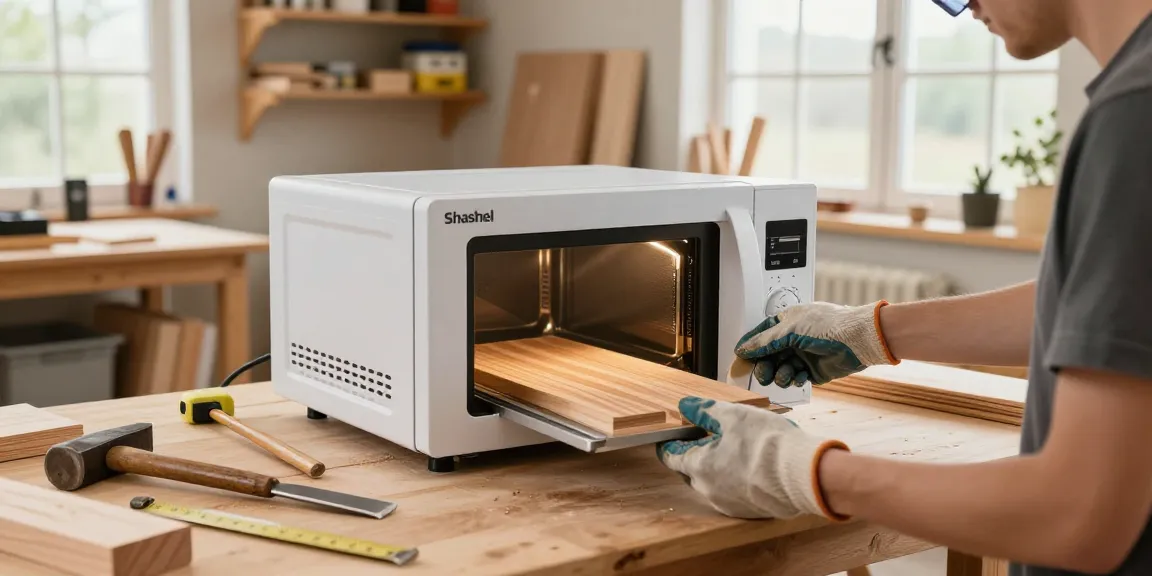
Shashel microwave technology represents a revolutionary approach to pest control that is both effective and environmentally friendly. By employing heat generated through microwaves, Shashel equipment can eliminate pests quickly without resorting to harsh chemicals.
How Shashel Microwaves Work against Wood Pests
The principle behind Shashel's technology is straightforward. Microwaves penetrate wood and heat it uniformly, raising the internal temperature to levels lethal to pests while preserving the wood itself. This method is not only rapid but also ensures minimal disruption to the surrounding environment.
Advantages of Microwave Treatment over Traditional Methods
Microwave treatment offers several advantages compared to traditional methods:
- No use of harmful chemicals.
- Immediate results rather than prolonged treatments.
- Minimal risk of damage to the wood structure.
- Ability to treat difficult-to-reach areas effectively.
Real-World Success Stories with Shashel Equipment
Numerous users have reported significant improvements in their wood structures after using Shashel equipment. For instance, a furniture manufacturer noted a 90% reduction in pest complaints within months of adopting this technology, demonstrating its effectiveness in a real-world setting.
Step-by-Step Guide to Using Shashel for Wood Treatment
Using Shashel equipment is straightforward, but proper preparation can enhance effectiveness. Here’s a step-by-step guide:
Preparing Your Wood for Treatment
Remove any surface dirt and debris from the wood. Ensure that the wood is dry, as moisture can impede the microwave's effectiveness. Disassemble larger pieces if necessary to allow microwaves to penetrate effectively.
Operating the Shashel Microwave Equipment Safely
Before operating the equipment, read the user manual carefully. Ensure the area is clear of obstacles and that you wear safety gear, such as gloves and goggles, while operating the microwave. Follow all operating instructions and do not exceed the recommended exposure times.
Post-Treatment Wood Care and Storage
After treatment, it’s important to store the wood properly. Avoid exposing treated wood to moisture and store it in a well-ventilated area. Regularly inspect treated wood for signs of infestation and address any issues immediately.
Addressing Common Challenges in Wood Maintenance
Maintaining wood can sometimes feel like an uphill battle, especially when dealing with persistent pests. However, understanding these challenges can help you manage them effectively.
Dealing with Stubborn Infestations
In cases where infestations persist, multiple treatments may be necessary. It’s essential to assess whether any external factors, such as humidity, may be contributing to continued pest activity.
Preventive Measures to Avoid Reinfestation
To prevent reinfestation, consider implementing the following measures:
- Seal any cracks or crevices in wood structures.
- Maintain proper humidity levels around wood items.
- Regularly inspect for signs of pests and act quickly if detected.
Expert Tips for Long-Term Wood Preservation
For long-lasting wood preservation, regularly apply protective finishes and ensure proper ventilation in storage areas. Consider using Shashel’s technology as part of your comprehensive wood maintenance plan.
The Future of Wood Treatment Technology in 2026
The field of wood treatment technology is evolving rapidly, with innovations paving the way for more effective and sustainable solutions.
Emerging Trends in Wood Preservation
In 2026, one of the most significant trends is the integration of eco-friendly practices along with advanced technology. This shift not only meets consumer demand for sustainability but also contributes to the overall health of ecosystems.
Innovations in Microwave Technology
As microwave technology continues to evolve, expect improvements in efficiency and effectiveness, with devices becoming more user-friendly and versatile. These innovations are likely to expand the reach of microwave treatments beyond just wood, potentially into textiles and other materials.
The Role of Sustainable Practices in Woodworking
Sustainable practices are becoming integral to modern woodworking. Companies are increasingly focused on sourcing materials responsibly and employing techniques that minimize environmental impact, aligning with growing consumer expectations.
What Preventive Measures Can You Implement?
To proactively manage wood health, consider enhancing your treatment regimen with regular inspections and using Shashel technology to treat wood as needed. Following best practices can ensure longevity and durability in wood products.
How Effective Is Shashel against Different Types of Wood Pests?
Shashel has proven effective against a variety of wood pests, including termites and beetles, providing rapid results without damaging the wood. User feedback indicates that even the most stubborn infestations can be addressed effectively.
Can Shashel Equipment Be Used for Other Materials?
While primarily designed for wood, Shashel equipment can be adapted for certain textiles and other materials that are susceptible to similar pest infestations, making it a versatile tool in pest management.
What Safety Precautions Should Be Taken when Using Shashel?
Safety is paramount when using any pest control technology. Always follow the safety guidelines outlined in the user manual, wear protection, and ensure appropriate ventilation in the treatment area.
How Does Microwave Treatment Compare Cost-Wise?
While the initial investment in Shashel equipment may seem significant, the long-term savings from prevented damage and eliminated infestations can outweigh upfront costs. Microwave treatment often proves to be more economical compared to traditional chemical treatments that require ongoing applications.
Where Can I Purchase Shashel Equipment?
Shashel equipment can be purchased directly from their official website, ensuring that you receive the latest models and customer support.