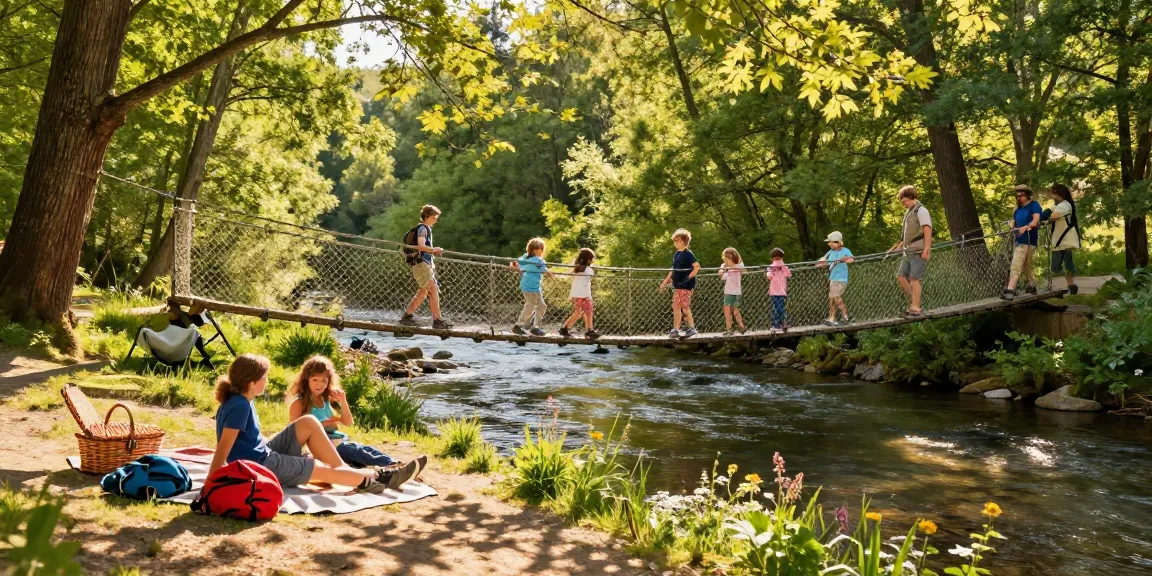
Understanding the Basics of River Rope Bridges
River rope bridges are unique structures that provide a narrow, flexible pathway across waterways, integrating both functionality and aesthetic appeal. These bridges are primarily constructed using robust natural or synthetic ropes and often serve important purposes in recreational areas, remote communities, and outdoor adventures. An essential feature is their ability to allow for safe crossing while maintaining minimal environmental impact. When exploring options, River Rope Bridge designs can also provide comprehensive insights for construction and maintenance.
What is a River Rope Bridge?
A river rope bridge is a type of suspension bridge made predominantly of rope and other light materials, designed to span rivers, gorges, or other chasms. The structural integrity is achieved through tension, which allows them to support the weight of pedestrians or small loads. These bridges are traditionally used in areas lacking robust infrastructure and have a long history in various cultures around the world.
Key Components of a Rope Bridge
- Ropes: The primary material that forms the bridge’s structure, commonly made from synthetic fibers or natural materials like sisal or hemp.
- Support Structures: These can be trees, posts, or anchored plates that provide stability.
- Decking: A platform where users walk, typically made from wooden planks, mesh, or additional rope layers.
- Safety Features: Handrails or netting that prevent falls and enhance user safety.
Benefits of Using River Rope Bridges
River rope bridges offer several advantages, particularly in regions where traditional bridge construction is unfeasible. These include:
- Cost-Effectiveness: They often require fewer materials and less heavy machinery, making them less expensive to build.
- Environmental Impact: Minimal footprint compared to conventional bridges, reducing disruption of local ecosystems.
- Accessibility: Ideal for remote areas, allowing communities to connect with essential resources.
- Adventure Factor: They provide a unique experience for outdoor enthusiasts, creating memorable recreation opportunities.
Common Mistakes in River Rope Bridge Construction
Building a river rope bridge necessitates careful planning and execution. However, several common mistakes can jeopardise safety and functionality.
Poor Material Selection
The choice of materials is crucial for the bridge's longevity and safety. Using sub-standard ropes or untreated wood can lead to failures, especially during adverse weather conditions. It is essential to choose high-quality, durable materials resistant to rot and wear.
Inadequate Load Testing
Before a rope bridge is used, it should undergo rigorous load testing to ensure it can support the intended weight. Skipping this step can lead to catastrophic failures, posing significant risks to users.
Neglecting Safety Standards
Safety should never be an afterthought. Bridges must adhere to local building codes and safety standards. This includes incorporating safety features such as handrails, non-slip surfaces, and proper anchoring techniques.
Designing a Safe and Effective River Rope Bridge
Designing a river rope bridge that is both safe and effective requires considering various factors from materials to environmental impacts.
Best Practices for Design
Consulting with experienced engineers or architects can vastly improve the bridge design. They can help incorporate innovative designs that enhance safety without compromising the bridge's aesthetic value.
Incorporating Safety Features
Essential safety features include guardrails, mesh netting, and clear signage to inform users of weight limits and safety procedures. Regular inspections should also form part of the overall safety strategy.
Considering Local Environmental Conditions
The local environment can significantly influence design choices. For instance, areas prone to flooding may require additional elevation or supports, while regions with high winds may necessitate a sturdier design.
Maintaining and Inspecting Your River Rope Bridge
Maintenance is key to ensuring the ongoing safety and functionality of a river rope bridge. Regular inspections and timely repairs can greatly extend its lifespan.
Routine Maintenance Guidelines
- Conduct visual inspections regularly for any signs of wear or damage.
- Check the integrity of the ropes and supports annually.
- Ensure that all safety features are functional and in good condition.
Common Signs of Wear and Tear
Look for fraying ropes, loose fittings, and signs of rust or rot in wooden components. Prompt action should be taken if any of these issues are identified to prevent further deterioration.
When to Seek Professional Help
If extensive repairs are needed, or if structural integrity is compromised, it is advisable to consult with professionals who specialise in bridge construction and maintenance.
Future Trends in River Rope Bridge Designs
As technology progresses, river rope bridge designs are evolving to include innovative materials and construction techniques.
Innovative Materials and Technologies
Advanced synthetic materials that offer greater durability and lighter weight are becoming popular. These materials enhance the bridge's resilience while reducing overall construction costs.
Eco-Friendly Design Practices
There is an increasing trend towards sustainable designs that utilise recycled or locally sourced materials. Such practices not only minimise environmental impact but also promote local economies.
Case Studies of Successful Modern Bridges
Numerous successful modern river rope bridges demonstrate innovative design and construction approaches. These case studies can serve as valuable benchmarks for future projects, illustrating the possibilities of combining sustainability with functionality.
What are those rope bridges called?
Commonly referred to as "suspension bridges," these structures can also fall under various regional names depending on their design and cultural significance.
How much does a rope bridge cost?
The cost of constructing a rope bridge can vary significantly based on materials, location, and design complexity, but they generally remain more affordable than traditional bridge constructions.
Where is the rope bridge located?
Prominent examples include the Carrick-a-Rede Rope Bridge in Northern Ireland, which is a famous tourist attraction known for its stunning views and adventurous crossing.
How to cross a river with a rope?
Crossing a river using a rope typically involves securing one end of the rope on the opposite bank and having trained participants use it as a guide or safety line to traverse the water safely.
What are the best materials for a River Rope Bridge?
The best materials include high-strength synthetic ropes that offer resistance to environmental wear, alongside treated wood for decking to ensure long-lasting durability.